Bottom-up Processing is a method of processing information that begins at the smallest of elements and then builds up to more complex concepts. This is different from top-down processes where we get an overall view of the scene and then seek out evidence to support this hypothesis. A person who is a visual processor on a city street might first feel that it is noisy, chaotic and crowded. They might be looking for indicators to confirm this idea like people rushing over crowds, or the sound of traffic coming from nearby vehicles.
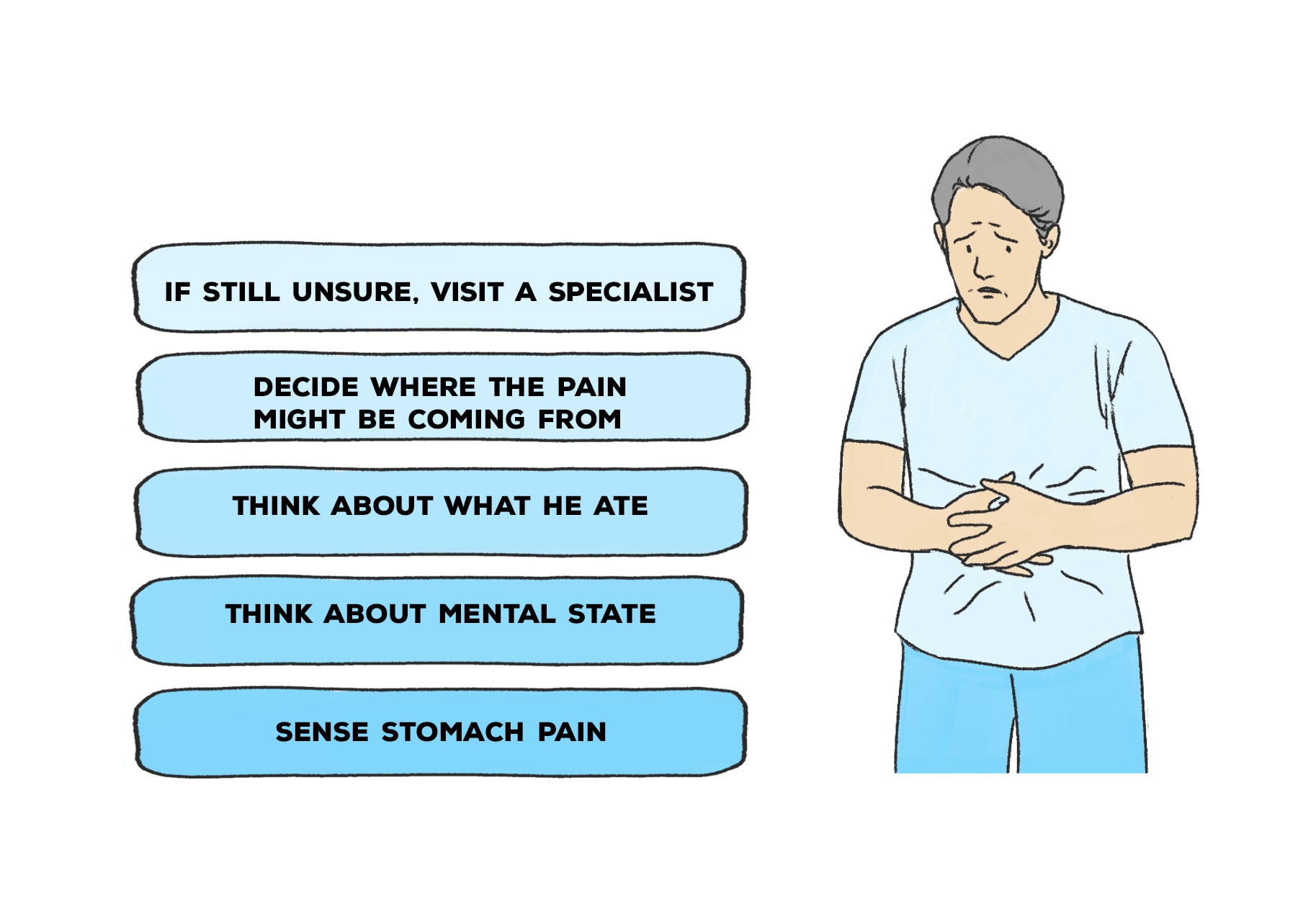
Because bottom-up processing tends be more data-driven and analytical the process has been extensively studied in connection with certain cognitive functions, including perception and memory. It can also be used in other areas of our lives such as creative endeavors and decisions, such as art and design. Bottom-up Processing can be used wisely and effectively to solve more complicated issues and gain more insight into their causes. Bottom-up processing, despite the negative connotations that it receives in academic circles , can prove extremely helpful for understanding both our environment and our inner workings.
The brain’s intricate functions lie central to all our thoughts and actions. The brain’s processes this complex organ play a vital role in everything from our cognitive and memory to our mood and behaviour. One particularly important mechanism that has been found to influence how the brain functions is called bottom-up processing. It describes how information is processed by individual nerve cells, or neurons and then via interconnected neural pathways that ultimately influence higher cognitive processes like perception and attention. Studies have shown that this process has profound effects on phenomena like learning and memory. It is also utilized to treat diseases such as Alzheimer’s disease or schizophrenia. Understanding the mechanisms behind the bottom-up processing that occurs in brain function can help us uncover some of the mysteries that underlie the brain’s functioning. This could provide the means to innovative new techniques in neuroscience health, as well as other fields.
Bottom-up processing describes the way in which information is processed by the brain. In contrast to top-down processing, which is focused more on incorporating prior information and beliefs into the learning process Bottom-up processing is based on the inputs of new and unstructured information. Bottom-up processing can be highly beneficial to all learners. It focuses on specific aspects of learning, starting with basic vocabulary and sounds up to more sophisticated concepts and ideas.
The main benefit of processing bottom-up is that it allows us to take a step back and concentrate on each individual element of information that we come across. This can allow us to be fully engaged in what we learn, and make it much easier to improve, learn, and refine existing concepts. To better comprehend the data, we could identify how they are connected by logical chains and networks. By engaging in bottom-up process, we will become better at learning and more effective communicators overall.
For more information, click Practicalpie