If you own a house or business that isn’t connected to the sewer system of a municipal system, it is likely that you have an septic system to manage your waste. While septic systems are an efficient and sustainable method to deal with wastewater, they need regular maintenance and might eventually need to be replaced. This article will offer the complete information you need to manage the costs of Septic systems, both for installation and replacement.
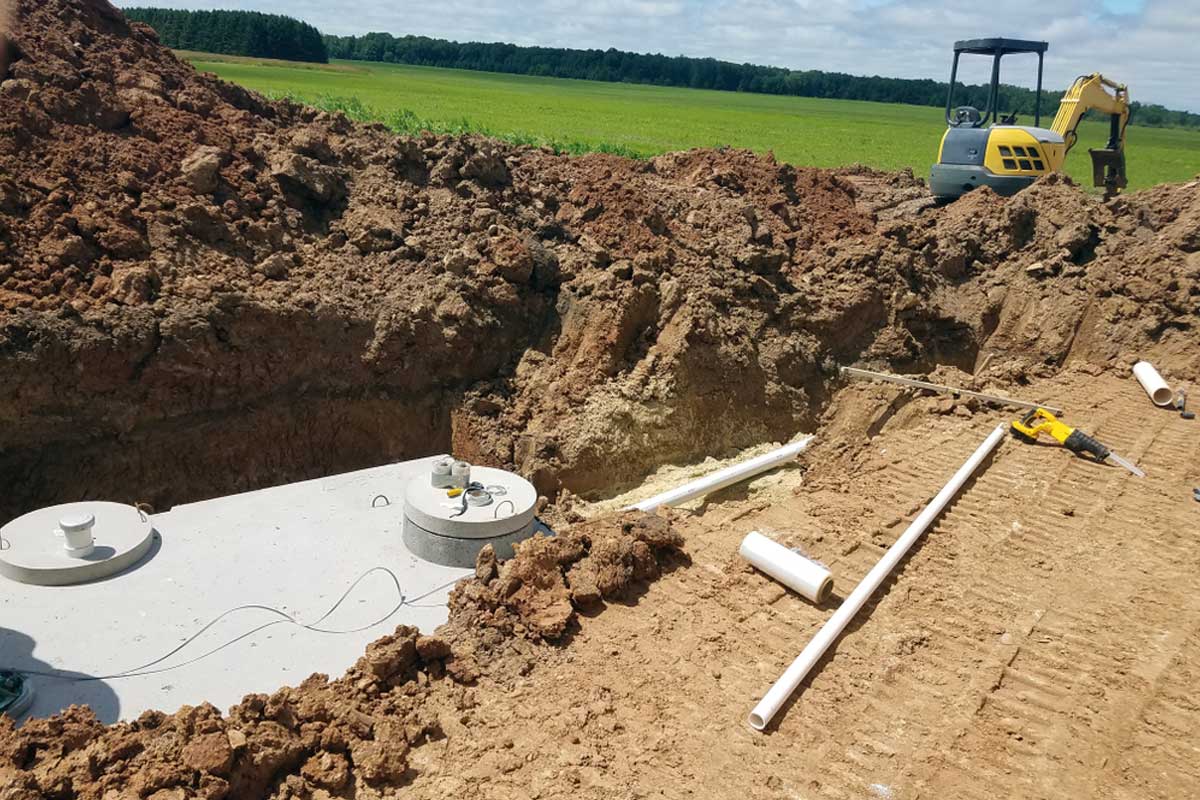
The Price of a Septic System Installation
A septic system installation could be a substantial investment, however, it is crucial to ensure that your property’s wastewater is being handled safely and effectively. The cost of the installation of a septic system will vary depending on many elements.
Size of property: To accommodate greater wastewater flow larger properties require larger septic systems. Larger properties will require bigger and more costly septic tanks.
The size of your septic tank will be affected by the number of bedrooms. New Hampshire requires that a minimum of a tank capacity of 1,000 gallons be installed for at least three bedrooms plus an additional 250 gallon tank capacity be added for each additional bedroom.
Conditions of the site: How the topography of your property and the soil nature and permeability can affect the price of installation. A second excavation or specialized equipment could be needed for more difficult terrain. This can increase the overall cost.
Permitting and zoning requirements: The requirements for zoning and permits vary depending on the state and location and could require additional fees to obtain the permits needed and inspections.
On average, the cost of a septic system installation in New Hampshire ranges from $5,000 to $10,000, depending on the factors mentioned above. This is a rough estimate and your individual situation will determine the final cost.
The cost of replacing the septic system
Septic systems can last anywhere between 20 and 40 years, contingent on the level of maintenance and use. It’s typically more affordable to replace the entire septic system instead of trying to fix it. The signs that your septic system could require replacement include slow drains and the presence of standing water in your backyard, and wastewater backups.
The cost of the replacement of a septic tank will depend on several aspects, including the size of your house in terms of how many bedrooms you’ve got, and the conditions in which you live. However, a septic system replacement typically costs more than a brand-new installation due to the need to remove and dispose of the old system properly.
The price of replacing a New Hampshire septic tank is between $10,000 and $25,000 , depending on the variables mentioned. It is important to note that this is only an estimate, and the final cost can be different based on specific situations.
Strategies for managing the costs of your septic tank
Regular maintenance: Regular pumping and inspection will prolong the life of the septic tank. It can also help prevent costly repairs.
Choose the right contractor: Choosing a reputable and experienced contractor can ensure that your septic tank is properly installed and up to specifications, saving your money on expensive repair costs or fines for non-compliance.
Avoid flushing nonbiodegradable materials. Discarding nonbiodegradable products like diapers, sanitary pads and wipes, could clog the septic system. This can lead to costly backups.
Save water. This will decrease the workload for your septic tank and prolong the life of your tank.
Pick the appropriate system for your property Selecting the best design of septic system for your property could help you save money on installation and ongoing maintenance costs.
To ensure a functioning and healthy septic system it is essential to maintain it properly. A properly maintained septic tank can provide many benefits that include eliminating costly repairs, reducing ground water contamination, stopping back-ups and odors and making sure it lasts for a long time. Regularly pumping is an excellent method to boost the effectiveness of the system and stop costly damage that can be caused by cracks or clogs. Regular inspections are crucial since they will be able to identify any potential issues early. It will guarantee that you have a secure high-quality, efficient and current septic tank. An organized maintenance plan for your septic tanks will assist you in saving time and money. You’ll also enjoy confidence knowing that your commercial or home will have a functioning system for a long time.
For more information, click cost to replace septic tank